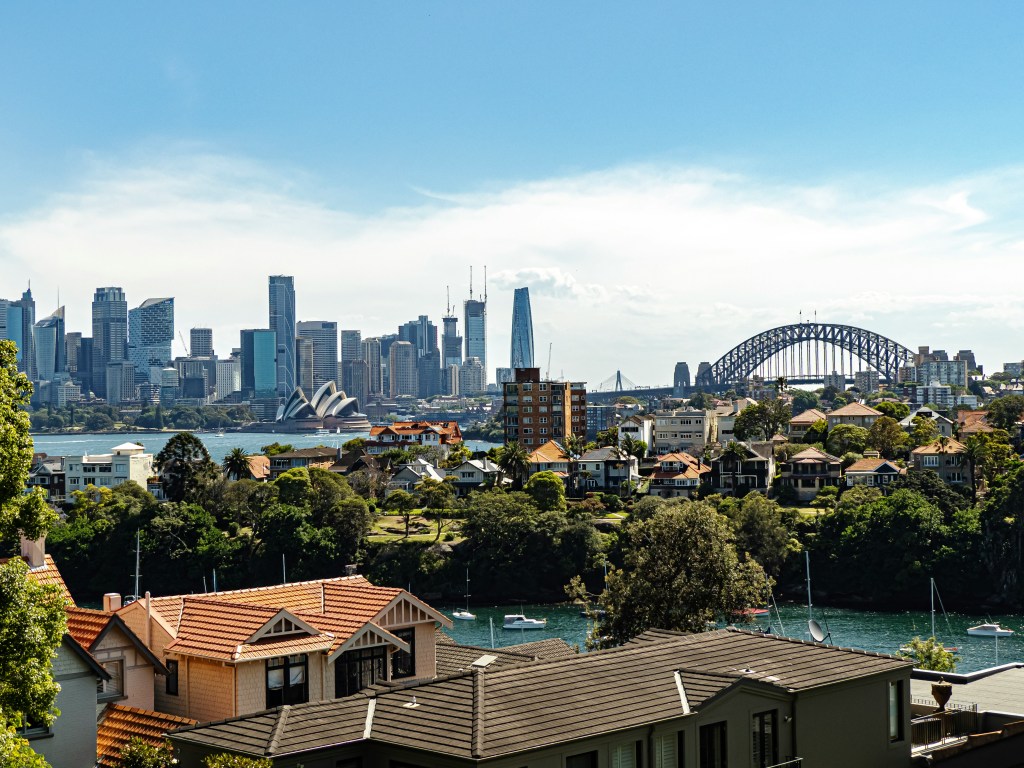
Image by Jesper Van der Pol
Australian Property – An Alternative Approach
By Phillip Cox – BBus(Finance)
A recent news.com.au article (https://www.news.com.au/finance/real-estate/australian-house-prices-resolve-poll-reveals-61-per-cent-want-property-market-drop/news-story/d1286c79e5800701387af33a6968c497) indicates that the majority of Australians, 61%, want housing prices to drop.
It’s an idealistic hope and dream because housing is becoming out of reach for the every day Australian, but at the moment it is still attainable and smaller abodes are reachable. The truth is there are parties that don’t want it to drop, there are factions that do, and there are international drivers that keep driving the price up. And I think that quite frankly we don’t want a crash in housing prices as it affects everyone but we do want to stop the forever unreachable incline of unaffordability.
That means working on housing production to have more supply so that prices stagnate. No one has suggested we should try make our property market stagnate in prices but that is exactly what we should be doing. We need councils to open more land, more builders to build more apartments and houses to massively increase supply so that prices don’t keep crawling up.
Historically for the past two decades my estimates suggest a 6-7.5% p.a. increase in property prices much higher than the average WPI of 2.5%. Which has lead to this greater unaffordability. These price increases don’t worry the top end of town but for everyone else it is a concern. And I think an alternative approach of having prices stagnate whilst wages catch up over a few decades is a better solution than pumping prices up artificially or hoping for a crash. And the truth is the prices rise because there is human demand for the properties and that demand is both national and international.
I do think it is a simple solution, have supply meet demand. That means slowing down on immigration for a while until our builder population increases and increasing production of property. New satellite cities along the east coast to be future ready with dedicated spaces for high-speed rail station and tracks. Even Perth could do with building up a northern and southern satellite city with high speed links.
In the past decade net migration has increased from approximately 185,000 to 305,000, or around 64%. And don’t get me wrong, I love new arrivals and the culture they bring to Australia and the expertise to develop our shores. However we need to future proof our land and as we start to meet our production and supply equilibrium we can increase immigration and increase production steadily. Until then we need to focus on the fundamentals of the economics behind the increasing prices and it comes back to the very basic high school lessons of supply and demand and demand has always outstripped supply in Australia. Partly because we have been a generous nation in opening our borders to new people, and I’m not saying we should stop this, but we should slightly reduce our intake until our production factors meet demand and stabilise/stagnant our housing prices. I don’t expect we’ll ever have the days of a one-income family owning a home early in life again, but we can aim for affordability for the average family.
And I agree with Labor’s incentives for building apprenticeships to get more builders in the working population although we should also be looking at skilled builder migration and short term (12-18 month) training courses dedicated to getting foreign builders up to Australian standards. And not just builders, plumbers and electricians too. And their wages won’t drop as more come in, because demand continues to increase.


Leave a Reply